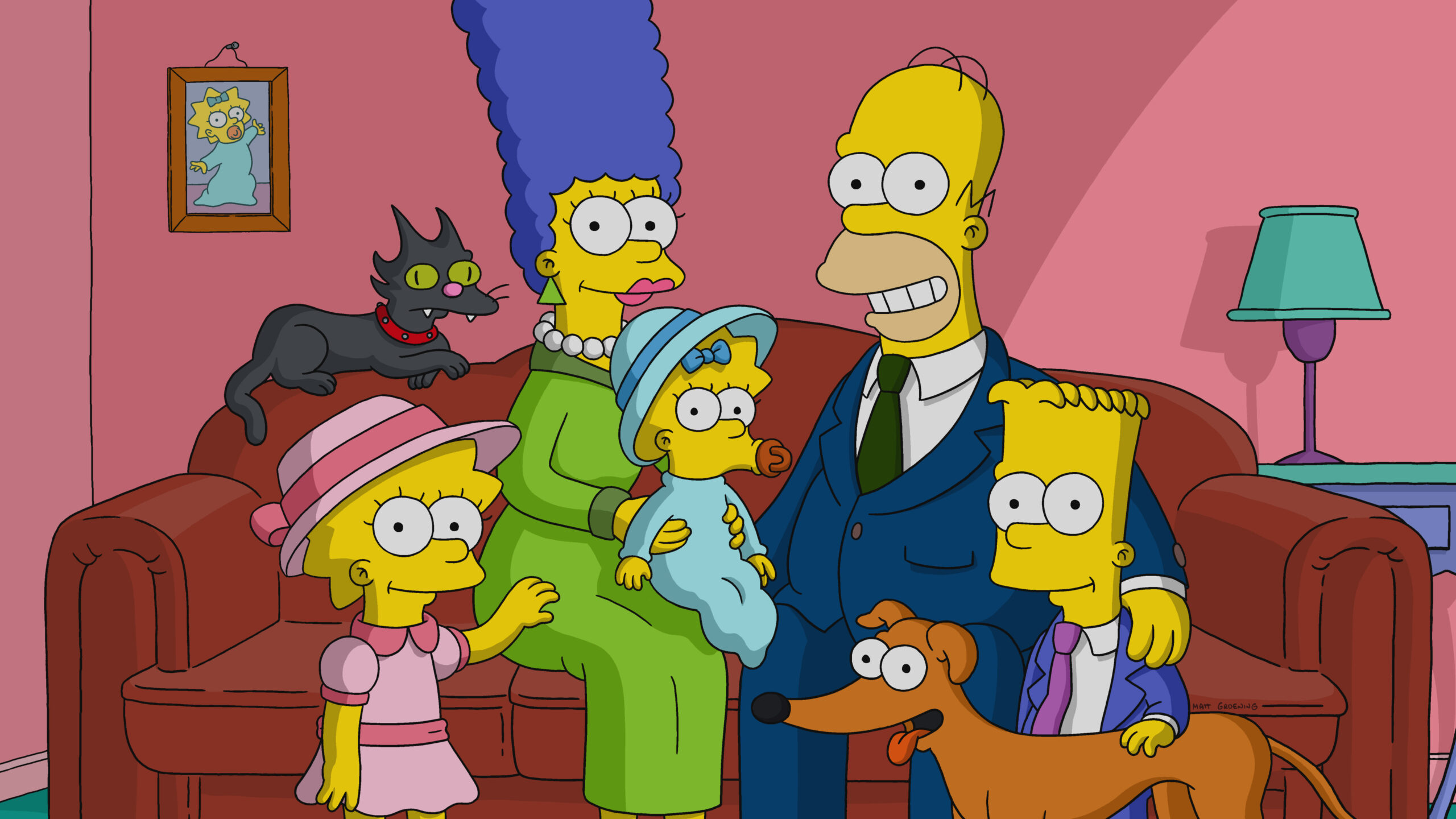
The Simpsons aired in 1989. At the time of writing, the television series has broadcast 31 seasons – or 683 episodes. Considering that 22-25 episodes are released per year, and as long as they want can pass between the “prediction” and the event that came true, the creators could not help but guess at least a few things.
This is due to the “law of very large numbers” – a principle of probability theory introduced by Harvard mathematicians Percy Diaconis and Frederick Mosteller in 1989. The law says: “If the sample is large enough, then any out of the ordinary event can occur.” Showrunner Al Jean agrees with this: “If you make a bunch of predictions, then 10% may well turn out to be correct.”
This law is well illustrated in the 2012 episode “Elementary School Musical,” in which characters place bets on Nobel Prize winners. Of the 20 “predictions”, one came true in 2014 (William Mörner won the Chemistry Prize), and two more in 2016 (Bengt Holmström won the Economics Prize, and Bernard Feringa won the Chemistry Prize). Thus, the screenwriters guessed 15% of the laureates. The “predictions” do not have a “statute of limitations”, which means that if other scientists and writers from the list receive an award in the future, the authors of The Simpsons will again be called “seers”.